Transitioning to Digital Work Orders for Field Service Teams
Ready to stop the paperwork scramble? Learn how deploying digital work orders connects your field crews to the office in real-time.
The Rekeying Trap in Field Services
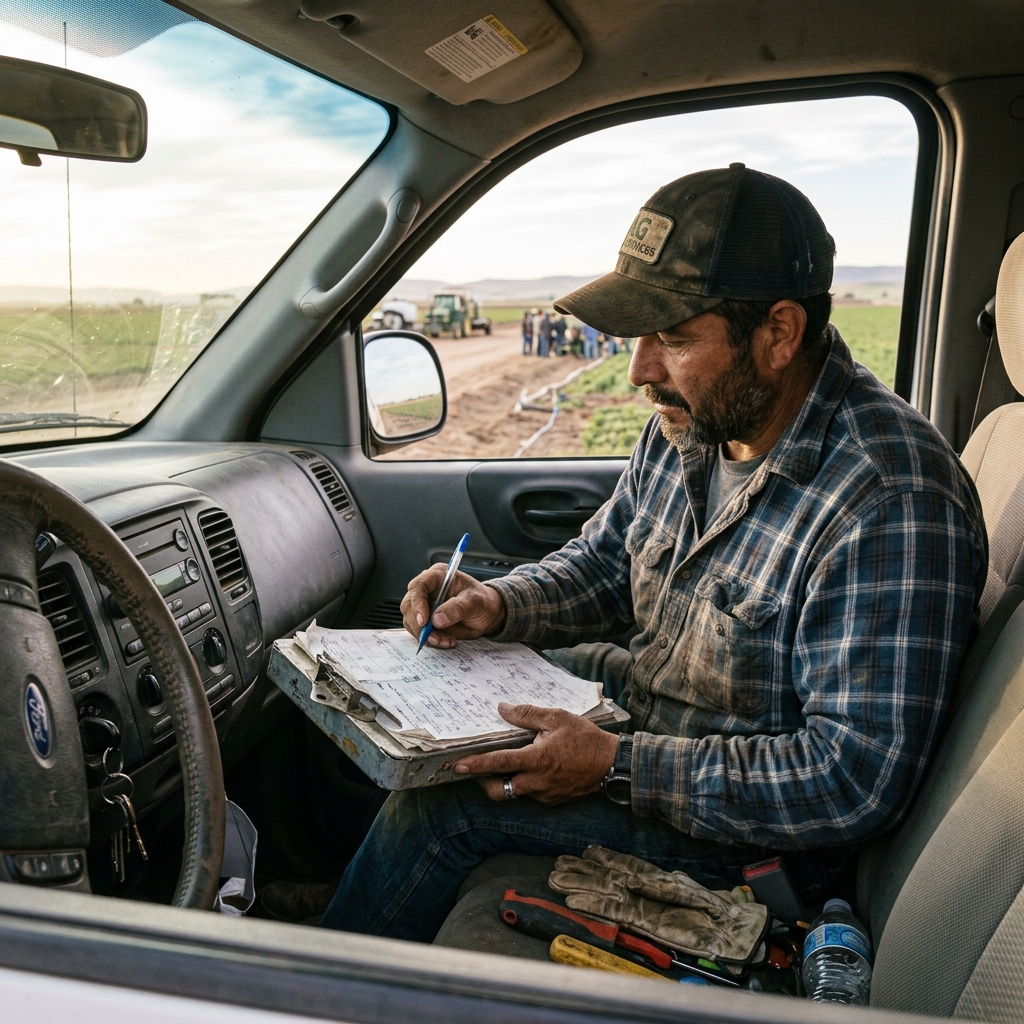
Moving your technicians to tablet-based forms is a common way to go paperless. But paperless is a lie if the data captured in the field is trapped in PDFs and email attachments. Your office staff still has to open the attachment, copy the text, and manually input the details into your database.
The paper disappeared, but the admin stayed. This manual reconstruction is a massive profit leak that keeps your office team bogged down in paperwork instead of scheduling new jobs or calling customers. Real automation requires a connected workflow.
Watch: Uncle Steve Explains
Learn how modern, connected mobile workflows eliminate handwriting errors and administrative double-entry.
Read Video Transcript▼
Great Day! Uncle Steve here, and if you want to streamline field operations and get paid faster, implementing digital work orders is the ultimate solution. Your dispatcher is juggling phone calls, a whiteboard, maybe a software tool that's half-adopted — and your techs are calling in asking where they're going next. Dispatch and scheduling shouldn't be this hard, but for a lot of shops, it still is.
The problem isn't usually the dispatch tool itself — it's that the information the dispatcher needs is scattered. Job details on paper. Customer history in someone's head. Parts availability in a spreadsheet.
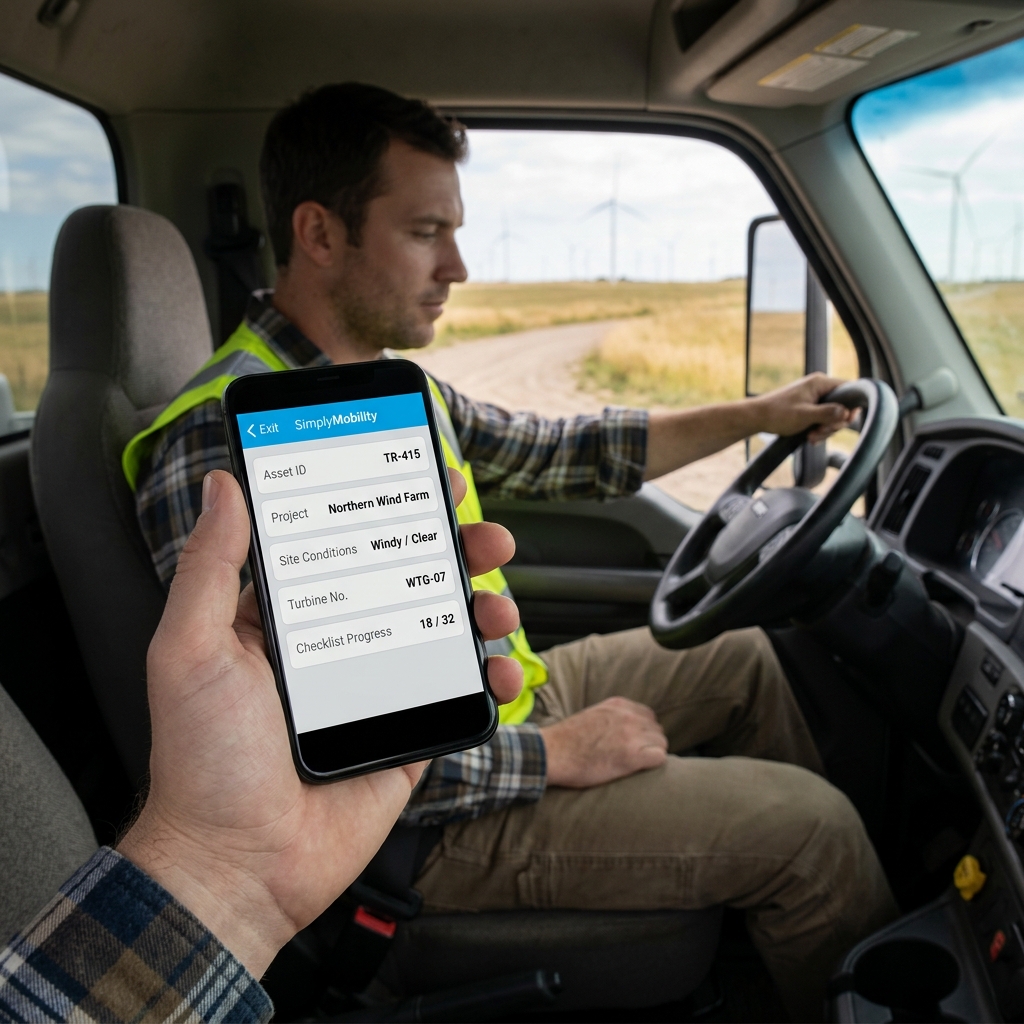
Simply Connected Systems connects the field data to your dispatch workflow so your dispatcher sees what they need in one place. Job status, completion data, parts used — it flows in from the field without phone calls and without rekeying. Fill out the form below. Show us what your dispatch process looks like today, and we'll show you the gaps we can close.
Steps for a Clean Digital Transition
Deploying digital forms should make your team's lives easier, not build administrative bottlenecks. A successful transition is built around three pillars:
- Familiar layouts: Emulate your existing paper work orders to help field technicians adapt quickly.
- Automatic validation: Set fields to enforce required photo attachments and client signatures.
- Direct integration: Map field submissions directly to your database systems, eliminating duplicate entries.
By connecting your field inputs directly to the office system, you ensure a clean connected handoff and stop playing detective at the end of the day.
Test Drive Your Workflow
At Simply Connected Systems, we never sell promises. We build functional prototypes. Send us your paper or PDF work order form, and we will build a mobile client prototype of your actual workflow for free so you can see the connected difference.
Learn how to connect your systems by reading our guide on deploying electronic work orders or see our operations guide on handyman work order templates.
Customer Success Story
"Moving to Simply Mobility was the best operational decision we've made. We eliminated over 12 hours of duplicate entry per week, and our technicians adapted to the mobile client in less than a day."
— Sean Miller, General Manager at Miller Electrical
Request Your Free Connected Prototype
Send us your team's field forms. We will build a functional mobile application prototype of your workflow at no cost.
Request a Free PrototypeFrequently Asked Questions
Will our technicians find the digital client difficult to use?
No. We design the interface to match your team's existing physical forms, so they do not have to learn a complex new process.
Can these work orders sync with our scheduling software?
Yes. Simply Mobility allows field updates to map directly to scheduling databases, keeping your office dispatcher informed in real-time.
Published by Uncle Steve, Operations Consultant at Simply Connected Systems.
We Will Build Your Connected Workflow Prototype For Free
Describe your biggest workflow bottleneck or upload your messiest form. We will build a functional, connected mobile app and dashboard prototype so you can experience it live before you spend a single dollar.